

 This item ships for


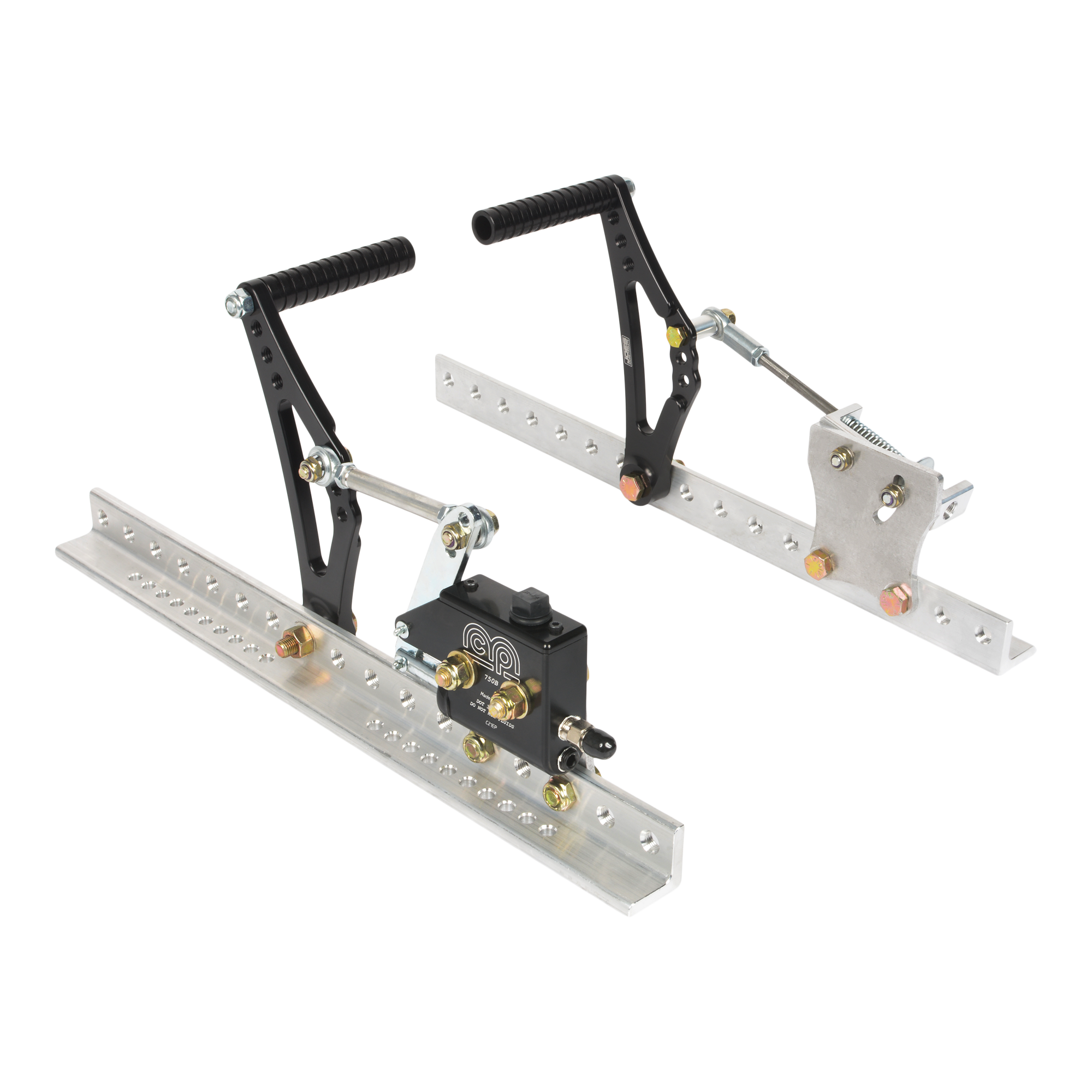
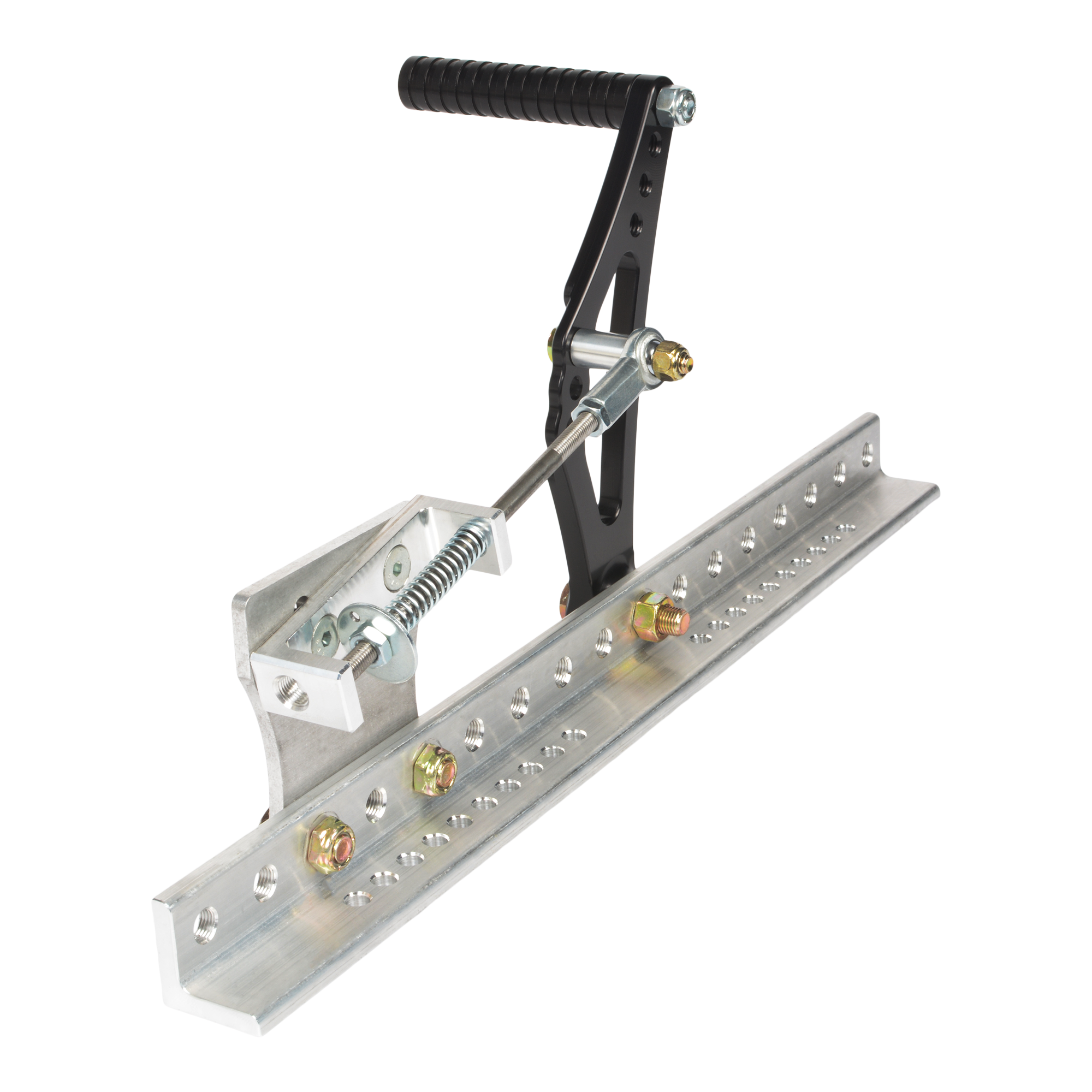
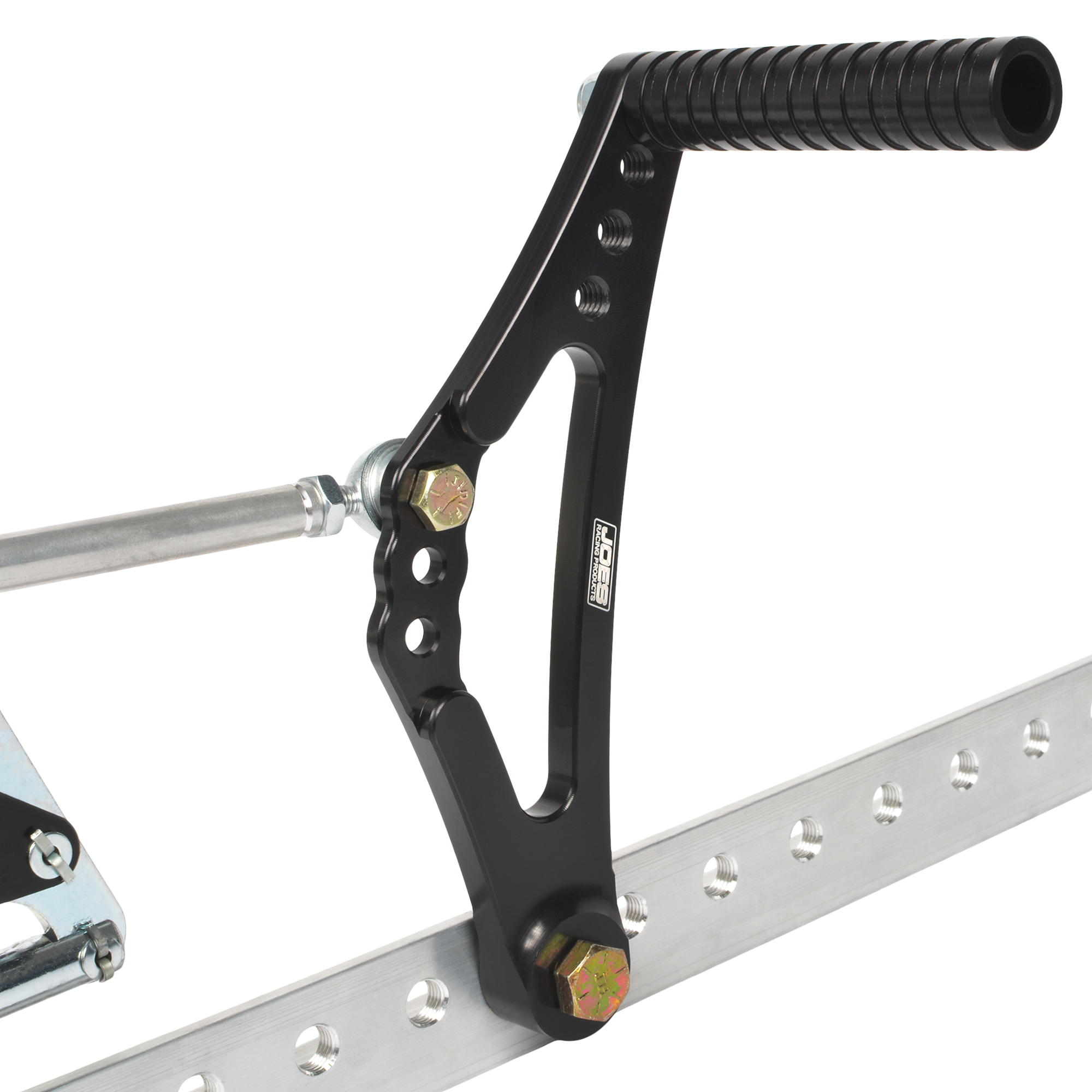
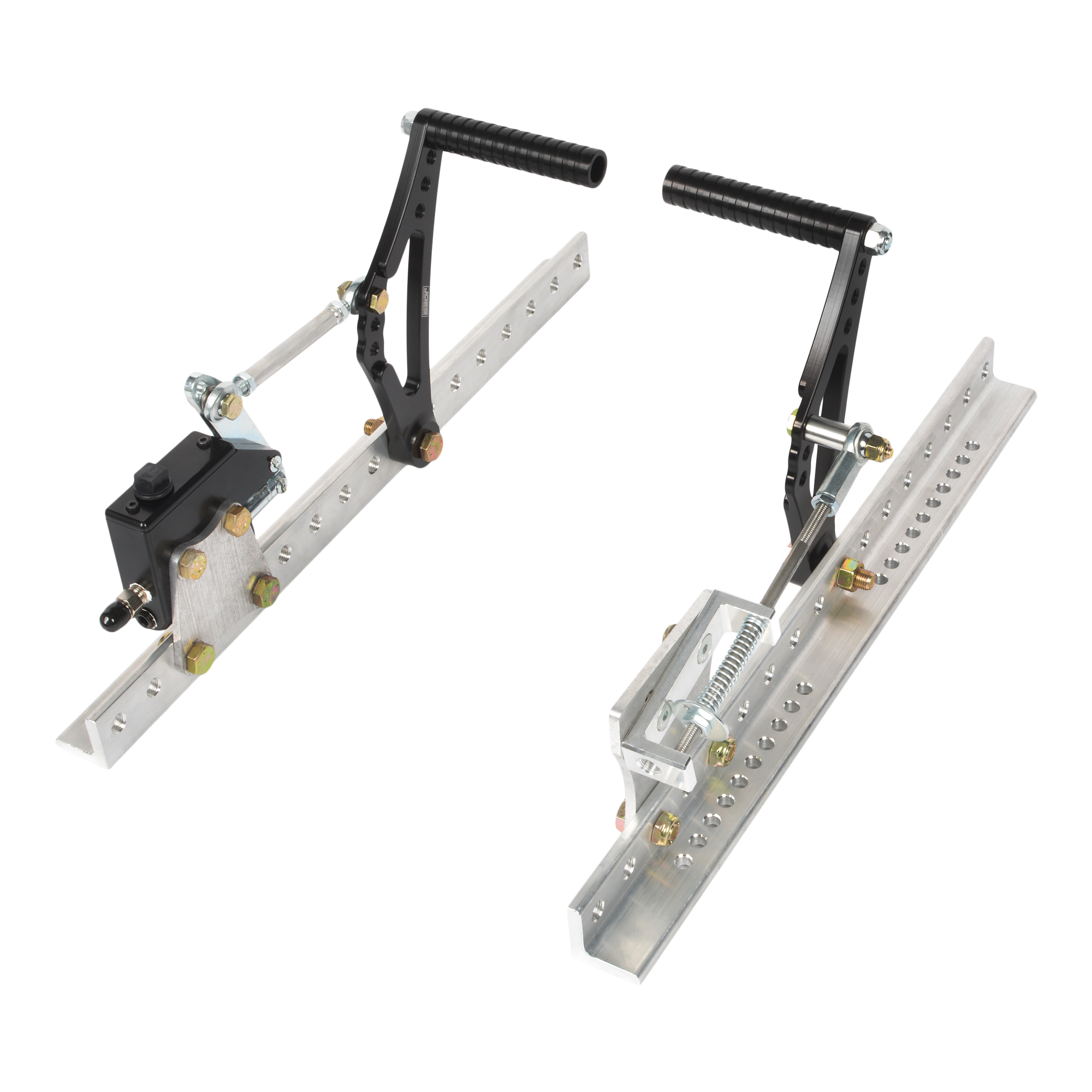
The 24831 is designed to eliminate the flex and "spongy" feel associated with flimsy, one-size-fits-all pedal setups. By mounting both pedals to a common, precision-welded base, JOES ensures that the relationship between the throttle and brake remains consistent. This assembly is the foundation for developing "pedal feel," allowing young drivers to modulate braking and acceleration with maximum precision.
Detailed Technical Specifications
1. Driver-Centric Adjustability
-
Growth Compatibility: Features multiple mounting holes for the foot pads, allowing the pedals to be moved closer or further away as the driver grows, extending the service life of the chassis.
-
Linkage Geometry: Both pedals offer adjustable leverage ratios. This allows the crew to tune the "stiffness" of the throttle and the "bite" of the brakes to match the driver's preference and leg strength.
-
Anti-Slip Foot Pads: The pads feature a high-grip surface (often knurled or slotted) to ensure the driver's feet stay planted even when the cockpit is covered in mud or dust.
2. Heavy-Duty Racing Construction
-
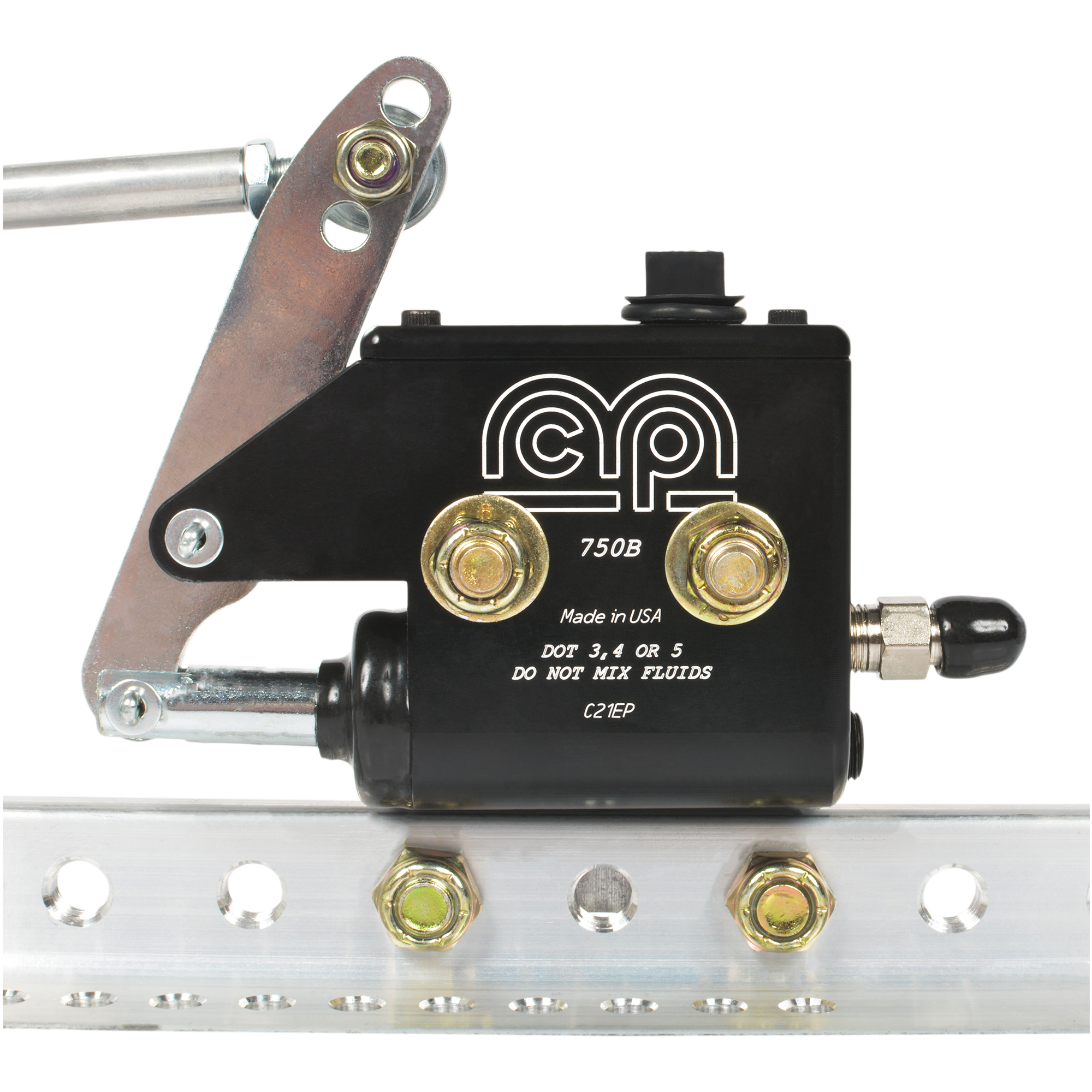
Torsion-Resistant Base: The main assembly is built from high-tensile steel to prevent "pedal deflection." When the driver stands on the brakes in an emergency, the assembly remains rigid, ensuring 100% of the force reaches the master cylinder.
-
Billet Aluminum Components: Pivot arms and pads are often machined from 6061-T6 aluminum to reduce weight while maintaining incredible structural integrity.
-
Oilite Bushings / Bearings: The pivot points utilize high-quality bushings to ensure smooth, "stick-free" operation for the life of the assembly.
3. Integrated Safety Features
-
Throttle Return Security: Designed with dedicated mounting points for multiple return springs, a critical safety requirement for most racing sanctioning bodies to prevent a "stuck throttle" scenario.
-
Built-in Toe Loops: The brake pedal often features an integrated loop, allowing the driver to "pull back" the pedal if necessary, providing an extra layer of safety in the event of a system failure.